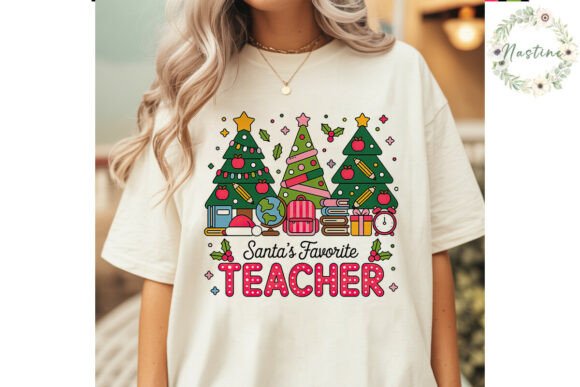
Review: Christmas Teacher Sublimation Design for Embroidery
As a designer who spends half my life in the embroidery software and the other half preparing products for market, I don’t just look at a file and see pixels or stitches. I see the final product on a customer’s chest, inside their tote bag, or hanging in their kitchen. When I pulled up the Christmas Teacher Sublimation Design, my first thought wasn’t about the holiday spirit alone—it was about execution. Would this hold up? Would it read clearly after stitching? And most importantly, would a small business owner be able to sell this without fighting their machine?
This review breaks down how this illustrations-category design translates from screen to fabric, focusing on real-world application for crafters, Etsy sellers, and apparel decorators.
First Impressions and Visual Personality
The moment you open the file, the mood is distinct. It balances the whimsical nature of the holidays with the structured, approachable vibe of an educational setting. For a machine embroidery design, visual hierarchy is everything. If every element screams for attention, nothing stands out. This design manages its layout well, creating a focal point that works whether it’s centered on a sweatshirt or placed discreetly on a baby onesie.
The shape and theme suggest a natural fit for personalized gifts. There is a warmth to the illustration style that feels inviting rather than generic. It doesn’t rely on overly complex shading that might get lost in thread; instead, it leans into clear lines and recognizable motifs. This is crucial for embroidery project success because it ensures the design remains legible even when viewed from a distance at a craft fair or online listing.
Real-World Application: Where This Design Shines
I’ve tested similar assets across various mediums, and here is where the Christmas Teacher Sublimation Design truly finds its home. It is versatile enough to span multiple categories but specific enough to feel intentional.
- Custom Apparel and Sweatshirts: This is the bread and butter of holiday sales. The design scales beautifully on crewneck sweatshirts. Because it has a balanced weight, it won’t overwhelm the garment. It works particularly well as a sweatshirt embroidery piece for teachers who want to celebrate the season without looking like they are wearing a department store clearance rack item.
- Tote Bags and Canvas Items: A tote bag design needs to be bold yet durable. The clean lines of this illustration translate perfectly to canvas. It looks professional on a simple beige or navy tote, offering a subtle nod to the holidays that parents and teachers appreciate.
- Baby and Nursery Decor: One of the strongest use cases for this asset is in the nursery category. Placed on a baby embroidery blanket or a muslin cloth, the design becomes a cherished keepsake. The softer aesthetic fits well with pastel thread colors, making it a top contender for personalized gift listings during Q4.
- Kitchen and Home Textiles: Don’t overlook tea towels and aprons. A holiday embroidery motif on a kitchen towel adds a functional charm. It’s a low-risk, high-reward product for a craft business because the item itself is useful, increasing the likelihood of a sale.
Technical Performance and Stitch Considerations
Transitioning from sublimation print to embroidery file requires a shift in mindset. You are no longer limited by ink bleed; you are dealing with tension, density, and fabric distortion. Here is how this design performs technically.
The stitch density appears moderate, which is a good sign. It avoids the pitfalls of overly dense fill stitches that can make fabric stiff or cause puckering on lightweight materials. However, you must pay close attention to the satin stitch edges. If the design includes text or thin borders, ensure your machine settings allow for smooth transitions. Rough satin stitches can ruin the polished look of a finished product.
When evaluating the running stitch details, check for any tiny isolated elements. In commercial embroidery, we often trim these out if they are too small to stabilize properly. Test the design to see if any decorative accents require excessive trimming time. If they do, consider simplifying them for bulk production.
Thread Color and Contrast
The visual appeal of this design relies heavily on thread colors. Because it is an illustrations type asset, color blocking is likely key to its identity. I recommend testing this on both light and dark backgrounds. On a white tee, bright reds and greens will pop. On a heather grey or black sweatshirt, you may need to adjust the thread palette to ensure contrast isn’t lost. Always inspect the design in black and white mockups to verify that the value structure holds up regardless of color.
Where to Use Caution
No design is perfect for every surface. There are specific scenarios where this design asset might struggle, and knowing these limits protects your reputation.
- Small Hoop Sizes: If you are working with very small hoops (under 4x4 inches), some of the finer details may become indistinguishable. Keep the design large enough to breathe.
- Textured and Stretchy Fabrics: Avoid using this on highly textured fabrics like heavy waffle knits or unstable stretchy jerseys without proper stabilization. The design relies on a relatively flat plane to show off its illustrative qualities. On a curved surface like a cap, the perspective shift might distort the central image slightly.
- Dense Stitch Areas: If the design features large blocks of fill, be mindful of fabric texture. On thin fabrics, dense stitching can show through to the front side, creating an unwanted shadow effect.
- Frequent Washing: For items like aprons or kitchen towels that undergo frequent washing, ensure the design is anchored well. Loose ends or poorly trimmed jump stitches can lead to pilling over time.
Practical Designer Notes for Production
Before you start producing hundreds of units for your Etsy seller shop, follow these practical steps to ensure quality control.
- Test on Scrap Fabric: Never go straight to the final product. Run the design on a scrap piece of the same fabric you intend to use. This reveals tension issues and stabilizer requirements immediately.
- Check Stabilizer Needs: Depending on the fabric weight, you may need cut-away or tear-away stabilizer. The right stabilizer choice prevents puckering and maintains the integrity of the embroidery project.
- Confirm Licensing: This is non-negotiable. Before selling small shop product inventory, confirm the license terms. Does it allow commercial use? Can you sell physical finished goods? Or is it restricted to digital resale only? Clarity here saves you from legal headaches later.
- Create Printable Mockups: Use the design to generate printable mockup images for your marketing. Seeing the design on a realistic background helps customers visualize the handmade product and increases buyer engagement.
Final Verdict
The Christmas Teacher Sublimation Design is a solid addition to any designer’s library. It strikes a balance between festive cheer and professional polish. It works exceptionally well for custom apparel, embroidered patches, and seasonal gifts. While it requires careful attention to fabric choice and stabilizer selection, its versatility makes it a strong candidate for boosting your craft business revenue during the holiday season.
If you are looking for a reliable, visually appealing design that resonates with teachers, parents, and educators, this one delivers. Just remember: the best embroidery starts with preparation. Test thoroughly, choose your threads wisely, and let the design speak for itself.