Latch Hook Faux Yarn Christmas PNG Review
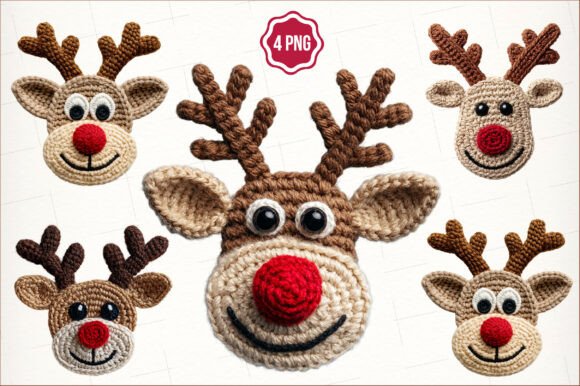
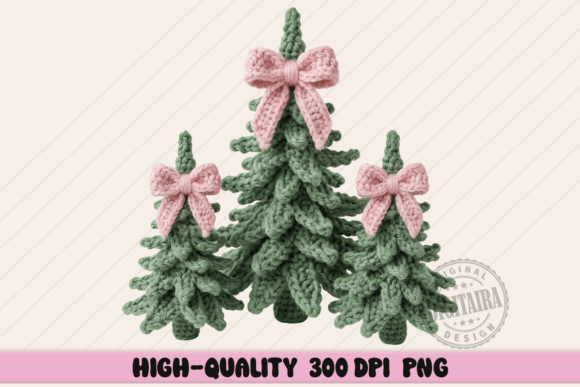
As a designer who spends more time than I care to admit staring at stitch density charts and testing thread tension, I don’t just look at an embroidery file; I look at how it will survive the real world. When I first pulled up the Latch Hook Faux Yarn Christmas PNG, my immediate reaction wasn’t about the holiday theme itself, but about the texture it promises. In the world of machine embroidery, "faux yarn" is a tricky beast. It requires precise execution to avoid looking like a cheap plastic imitation rather than a cozy, handmade textile. This design attempts to bridge that gap, and after running through several mental simulations for potential client projects, I have some practical thoughts on where this design shines and where it might trip you up.
The First Impression: Mood and Visual Personality
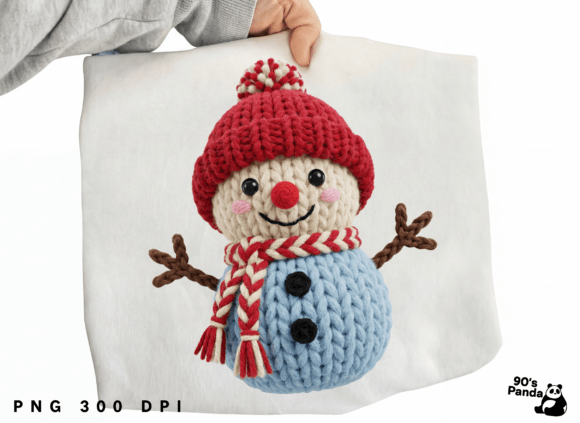
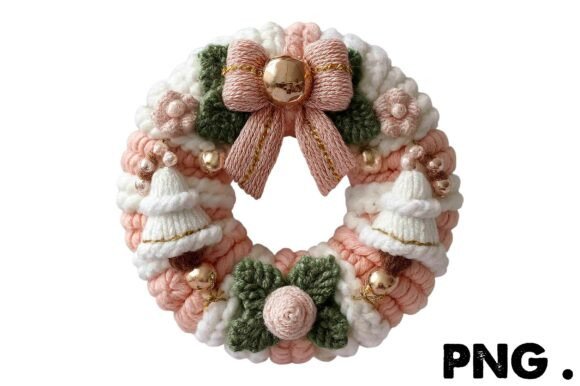
The moment you load this machine embroidery design into your digitizing software, the visual personality jumps out. It isn’t trying to be minimalist or modern; it is leaning heavily into nostalgia. The latch hook aesthetic mimics the looped texture of rug hooks or chunky knitwear, which immediately signals "warmth" and "comfort" to the viewer. For a small business owner or an Etsy seller, this is gold. Customers don’t just buy embroidered items; they buy the feeling those items evoke. This design evokes the feeling of sitting by a fire with a cup of cocoa, wrapped in a blanket made by a grandmother who knew exactly what she was doing.
The layout feels balanced, likely designed with enough negative space to allow for clean stitching without crowding the edges. However, the charm lies in the details. The individual loops need to be distinct. If the digitization is sloppy, these loops can merge into a muddy blob, losing that crucial faux-yarn character. Assuming the underlying vector or raster data is clean, this illustrations category asset has strong potential as a centerpiece for seasonal collections.
Real-World Application: Where Does This Fit?
I often get asked, "What should I make with this?" The answer depends entirely on the fabric and the end-user. Based on the visual weight of the Latch Hook Faux Yarn Christmas PNG, here is where I see it performing best in a commercial or personal context:
- Holiday Gift Baskets: Imagine this embroidered on a thick, cream-colored tea towel or a flannel kitchen towel. The contrast between the soft fabric and the textured embroidery creates a high-end gift feel. It’s perfect for personalized gift packages aimed at hosts or newlyweds.
- Baby and Nursery Decor: The soft, rounded nature of the latch hook style is gentle and non-threatening. Embroidering this onto a muslin swaddle or a crib sheet (with appropriate stabilizer) could result in a cherished keepsake. It fits perfectly into the baby embroidery niche, offering something more unique than standard monograms.
- Cozy Apparel: While I wouldn’t put this on a thin t-shirt, it would look fantastic on a heavyweight cotton sweatshirt or a fleece pullover. The sweatshirt embroidery market is saturated, but a well-executed textured design like this stands out. It adds tactile value that customers can feel, not just see.
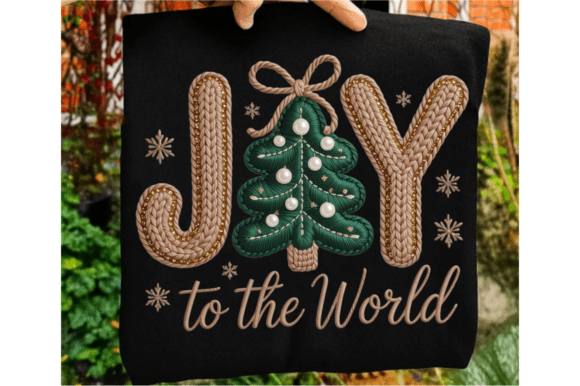
- Home Accents: A pillow cover or a tote bag design featuring this motif works well for fall and winter markets. The tote bag design application is particularly strong if paired with sturdy canvas, as the structure of the bag supports the weight of the embroidery without warping.
The Technical Reality Check: Stitching and Fabric
Here is where we need to get serious. As a professional reviewer, I cannot ignore the technical constraints. The "faux yarn" effect relies heavily on specific stitch types. You are likely looking at a combination of satin stitches for the outlines and perhaps fill stitches or specialized chain stitches to mimic the loops. This brings us to stitch density.
If the density is too high, the fabric will pucker, especially on lighter materials. If it is too low, the backing material will show through, ruining the illusion of yarn. Before committing to a full production run for your craft business, you must test this on scrap fabric. Start with a medium-weight cotton twill or a dense canvas. Avoid thin fabrics or stretchy knits unless you are using a heavy-duty cut-away stabilizer. Even then, the risk of distortion is significant.
Another critical factor is thread colors. To achieve the true latch hook look, color blending is essential. Using a single solid color will make it look flat and digital. You need variegated threads or careful manual placement of multiple colors to simulate the slight variations in real yarn. This increases your thread consumption and your hoop changes, so factor that into your pricing for commercial embroidery projects.
Where to Use Caution
There are certain scenarios where this design should be used carefully, or perhaps avoided altogether:
- Small Hoop Sizes: If you are working in a 4x4 hoop, ensure the design scales down cleanly. Small details can get lost, and the "loops" might become indistinguishable from noise.
- Dense Stitch Areas: If the design includes large blocks of solid fill, check the underlay. Without proper underlay, the fabric will bunch up, making the finished product look lumpy rather than plush.
- Curved Surfaces: Attempting to embroider this on a curved cap front is risky. The tension required to keep the loops uniform will fight against the curve of the hat, likely resulting in skipped stitches or distorted geometry.
- Frequent Washing: If this is intended for a handmade product that will be washed frequently, such as a baby blanket or apron, consider the durability of the stitches. Latch hook styles can snag if not properly secured. Reinforcing the edges with a tight satin border is advisable.
Impact on Brand and Customer Trust
For the small shop product creator, presentation is everything. When you post a printable mockup of this design on social media, does it look professional? Yes, provided the mockup accurately represents the texture. A flat image might not do justice to the depth of the embroidery. I recommend creating a video or a close-up photo series that shows the thread catching the light. This transparency builds customer trust because it shows you aren’t hiding the complexity of the work behind a generic graphic.
This design also enhances brand consistency if your brand voice is cozy, rustic, or traditional. It signals to the buyer that you pay attention to detail and quality. Conversely, if your brand is ultra-minimalist or tech-focused, this design might clash with your identity. Know your audience before integrating this digital embroidery file into your catalog.
Final Designer Notes
Before you download and start stitching, remember these practical steps:
- Test on Scrap: Always run a test stitch-out. Check for thread breaks, puckering, and clarity of the loop details.
- Check Licensing: Ensure you have the right to sell finished products made from this design assets package. Commercial rights vary widely.
- Review Stabilizer Needs: Determine if you need tear-away, cut-away, or water-soluble stabilizer based on your fabric choice.
- Inspect Corners: Look closely at the corners of the design in your software. Are there any sharp angles that might cause needle strikes or thread breaks?
- Compare Backgrounds: Test the design on both light and dark fabric backgrounds to ensure the thread colors pop appropriately.
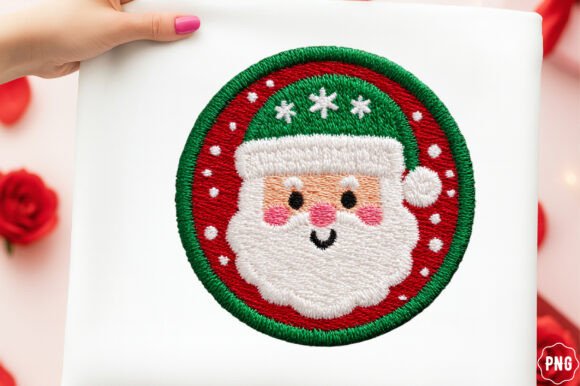
In conclusion, the Latch Hook Faux Yarn Christmas PNG is a charming, texturally rich addition to any holiday collection. It works best when paired with substantial fabrics and thoughtful thread choices. It transforms a simple embroidered patch or tote bag into a statement piece of holiday embroidery. Just respect the mechanics of the stitch, and it will reward you with a finished product that feels as good as it looks.