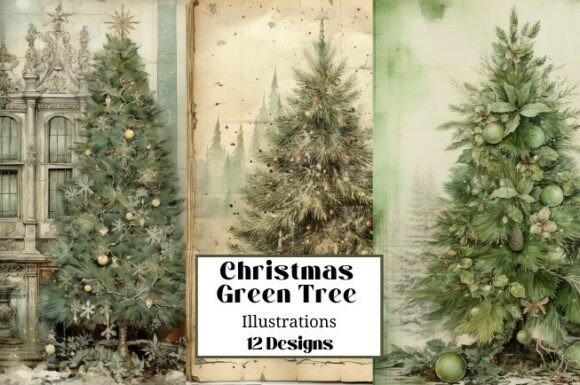
12 Green Christmas Tree Illustrations
As a designer who spends half my life staring at stitch maps and the other half worrying about thread tension, I approach every new asset with a healthy dose of skepticism. The market is flooded with generic holiday graphics that look fine on a screen but fall apart when translated into thread. That is why I took 12 Green Christmas Tree Illustrations for a spin before recommending it to my network of makers and small business owners. This isn’t just another clip-art tree; it is a collection of design assets that actually understands the language of embroidery.
The First Impression: Mood and Visual Personality
When you first open the file, what strikes me is the cohesive yet varied personality of the set. In the world of holiday embroidery, there is a fine line between "charming rustic" and "messy clutter." These illustrations walk that line perfectly. They feel organic, not rigid. The shapes are distinct enough to be recognizable instantly, which is crucial for personalized gifts where the customer needs to identify the motif immediately.
The visual weight of these trees suggests they are built for mid-sized applications. They aren’t overly delicate, which means they hold up well against the physical texture of fabric. Whether you are planning a sweatshirt embroidery project or a subtle accent on a kitchen towel, the mood here is warm, inviting, and distinctly handmade. It avoids the sterile look of vector-only designs by implying a hand-drawn quality that translates beautifully into machine embroidery design formats.
Real-World Application: From Screen to Stitch
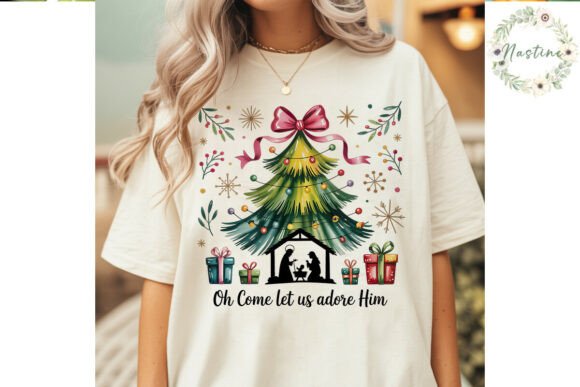
I put this design through its paces in several scenarios to see how it performs as a handmade product. The most obvious use case is obviously seasonal apparel. Imagine a crewneck sweatshirt featuring one of these trees centered on the chest. Because the illustration has strong definition, it reads clearly even from a distance. This clarity is what drives sales for an Etsy seller; if a buyer can’t tell what the design is at a glance, they scroll past.
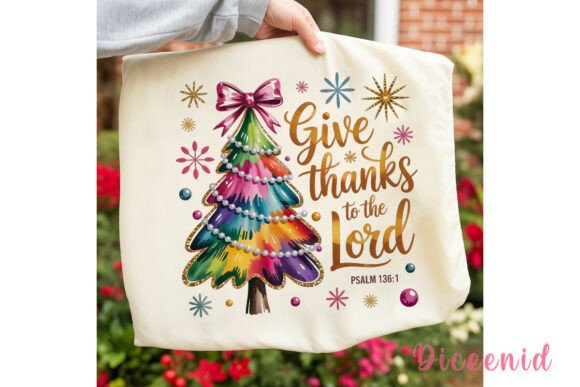
Beyond apparel, I see tremendous potential in home decor. A tote bag design featuring a cluster of these trees feels sophisticated rather than cheesy. It works particularly well when paired with neutral fabrics like canvas or heavy cotton. For baby embroidery, such as on a muslin blanket or a onesie, the softer lines of the illustration provide a gentle aesthetic that parents love. It doesn’t scream; it whispers warmth.
Another angle that often gets overlooked is branding. If you run a craft business or a boutique, consistency is key. Using a unified set like 12 Green Christmas Tree Illustrations allows you to create a cohesive brand identity across different products—perhaps using the same tree shape on your packaging tags, your aprons, and your main merchandise. This level of brand consistency builds trust with customers who appreciate professional presentation.
Where This Design Shines
- Custom Apparel: Works beautifully on denim jackets, hoodies, and flannel shirts.
- Holiday Gifts: Perfect for monogrammed ornaments, stockings, and gift wrap accents.
- Kitchen Textiles: Tea towels and aprons benefit from the vertical structure of the trees.
- Accessories: Caps and beanies can handle the density without looking overcrowded.
Technical Considerations and Stitch Behavior
No matter how pretty a graphic looks, it must function mechanically. When evaluating design assets, I always think about stitch types. These illustrations appear to lend themselves well to a mix of fill stitch for the body of the tree and perhaps satin stitch for outlining or specific details like baubles or stars if included in the variation. The stitch density seems balanced, avoiding the common pitfall of overly dense areas that cause puckering on lighter fabrics.
However, a word of caution regarding fabric texture. While these designs are robust, they rely on contrast to shine. On a highly textured fabric like bouclé or thick wool, some of the finer details might get lost. In such cases, you might need to adjust the thread colors to ensure the design pops. Always test your embroidery file on a scrap of your actual production fabric. This step is non-negotiable for any serious commercial embroidery project.
If you are considering using this for an applique design, the clean lines make it a strong candidate. You could cut out the tree shape from contrasting felt or velvet and applique it onto a garment, adding minimal stitching for security. This technique adds dimension and luxury to a finished product, elevating it from a simple craft item to a premium good.
Where to Use With Caution
Even the best digital embroidery file has limitations. There are certain contexts where 12 Green Christmas Tree Illustrations might struggle:
- Small Hoop Sizes: If you attempt to digitize or use this in a very small hoop (under 4 inches), you may lose the integrity of the shape. The curves might become jagged, and details will merge.
- Stretchy Fabrics: On thin jersey or spandex blends, the weight of the thread can distort the fabric. Use a strong tear-away or cut-away stabilizer if you must embroider on knitwear.
- Detailed Corners: Avoid placing the design in tight corners where the needle bar might hit the edge of the hoop or where the fabric folds sharply.
- Curved Surfaces: While caps are popular, ensure the curve of the hat matches the curvature of the design. A flat-back cap might distort a rounder tree illustration.
Practical Designer Notes for Success
To get the most out of this asset, I recommend a few pre-production steps. First, inspect the design in black and white. This helps you verify that the negative space and positive space are balanced, ensuring readability regardless of your color palette. Second, check the licensing terms carefully. If you plan to sell the finished product, you need to know if the license covers commercial use. Many creators sell their work on platforms like Etsy, so having clear rights is essential for protecting your small shop product.
Also, consider the thread colors you choose. Green is versatile, but the shade matters. A forest green feels classic and traditional, while a lime green feels modern and playful. Match the thread tone to the target audience. For a high-end boutique client, opt for deeper, richer threads. For children’s items, brighter tones work better.
Finally, don’t underestimate the power of mockups. Before you commit to mass production, create a printable mockup or a digital preview. Seeing the tree on a virtual tote bag or pillow cover can reveal proportion issues that aren't obvious when looking at the raw file. This step saves time, money, and frustration, allowing you to present a professional image to your customers.
Final Verdict
12 Green Christmas Tree Illustrations is a solid addition to any designer’s library. It bridges the gap between artistic charm and technical feasibility. It is versatile enough for personal hobbies yet professional enough for serious craft business ventures. By understanding its strengths and respecting its limitations, you can create custom apparel and decorative accents that resonate with buyers and stand the test of time. Just remember: always test, always stabilize, and always prioritize the quality of the finish over speed. Happy stitching.